Please click here to check who's online and chat with them.

Find Verified Activated Carbon From Charcoal Suppliers, Manufacturers and Wholesalers

Top Supplier Cities : Kartoum   Khartoum  
Dec-05-22

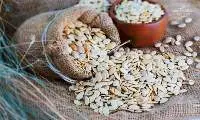
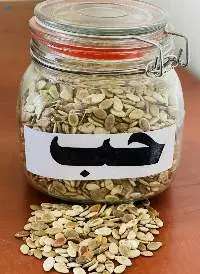
Watermelon Seeds

$1.15K
MOQ: 100  Metric Tonnes
Sample Available
Supplier From Khartoum, Sudan
 Inquire Now  
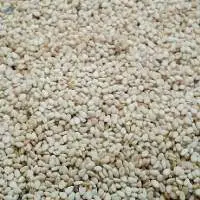
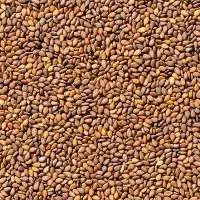
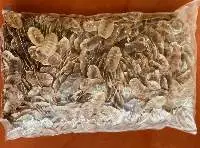
High Quality, Fresh Organic Raw on two types (brownish Sadir & White Jambo Grade) with below specification:
- Oil Min 18%
- Moisture Max 6%
- Fiber Max 47%
- Protein Max 18%
- Fatty Acid Max 3%
Dec-01-22

Arabic Gum - Hashab Grade.1

$2.50K
MOQ: 50  Metric Tonnes
Sample Available
Supplier From Khartoum, Sudan
 Inquire Now  
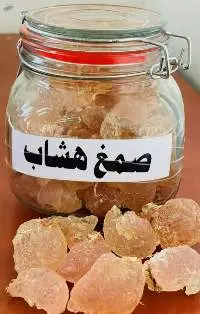
Hashab Gum Grade No.1 with below Specifications:

- Cleaned Grade
- Medium to Small Size Modules
- Loss on Drying: Max 15%
- Total Ash: max 4%
- Nitrogen Content: 0.24 to 0.41%
- Protein Content: 1.58 to 2.7%
- Arsenic: Max 3mg/kg
- Lead: Max 10mg/kg
- Heavy Metal: Max 40mg/kg
Dec-01-22

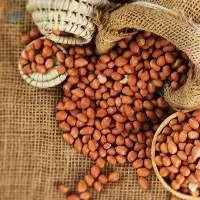
Sudanese High Quality Organic Raw Peanuts

$1.15K
MOQ: 100  Metric Tonnes
Sample Available
Supplier From Khartoum, Sudan
 Inquire Now  
High quality organic raw peanuts from the most famous producing place in the whole world, Kordofan west of Sudan. dead insects and fly weevils: free.

SPECIFICATION:
- Count per ounce: size (70/90)
- foreign materials: 1%
- oil content: MIN 47%
- Split / broken: MAX 2%
- Moisture: MAX 6%
- FFA: MAX 1%,
Dec-01-22

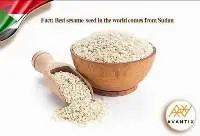
Qadaref Whitish Sesame (High Quality)

$1.65K
MOQ: 100  Metric Tonnes
Sample Available
Supplier From Khartoum, Sudan
 Inquire Now  
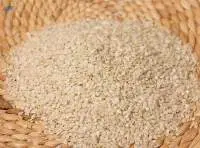
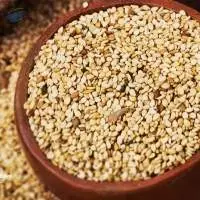
Qadaref Whitish Sesame (high Quality) with below specifications:
- Purity : 99 %
- Oil Content Max 48%
- Moisture Max 6%
- Admixture / Color Max 1%
- Fatty Acids FFA Max 2%
Dec-01-22

Qadaref White Sesame (Commerical Grade 1)

$1.60K
MOQ: 100  Metric Tonnes
Sample Available
 Inquire Now  
Sudanese White sesame (Commercial Grade 1) with below specifications:
- Purity Min 99%
- Oil Content Min 48%
- Free Fatty Acid Max 2%
- Admixture Max 4%
- Moisture Max 7%
34 Activated Carbon From Charcoal Suppliers
Short on time? Let Activated Carbon From Charcoal sellers contact you.
Dec-01-22

Red Sesame Seed

$1.55K
MOQ: 100  Metric Tonnes
Sample Available
 Inquire Now  
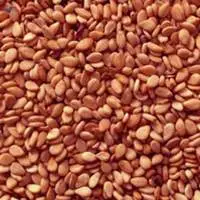
Sortex Red Sesame with below Specifications:
- Oil Content Min 52%
- Admixture Max 2%
- Purity Min 99 %
- Foreign Matter Max 3%
Feb-11-22
 Inquire Now  
_ High Standards
_ Best Quality
Packing : 20Kg Bags
Jun-27-22

White Sesame Seeds

$1.62K
MOQ: Not Specified
Supplier From khartoum, khartoum, Sudan
 Inquire Now  
It is used frequently in Middle Eastern, Asian, Mediterranean, and northern African cooking. You will find that sesame oil is an extremely important ingredient for some countries.

Max 6% Colored Seeds, Max 1% Admixture, Max 2% Ffa, Max 6% Moisture,
MIN 48% Oil Content, Free From Water Damage, Free From Infestation &
Live Weevils, In Sound Merchantable Quality Of Natural Taste & Smell, Fit
For Human Consumption
Jun-27-22

Red Sesame Seeds

$1.55K
MOQ: Not Specified
Supplier From khartoum, khartoum, Sudan
 Inquire Now  
Sesame seeds are highly valued for their high content of sesame oil, an oil that is very resistant to rancidity. Sesame seeds are the main ingredients in both tahini and the Middle Eastern sweet treat, halvah.

Max 1% Admixture, Max
2% Ffa, Max 6% Moisture, Min 50% Oil Content, Free From Water Damage,
Free From Infestation and Live Weevils, in Sound Merchantable Quality of
Natural Taste and Smell, Fit for Human Consumption
Oct-13-25

Sesame Seed, A

$1.30K - $1.50K / Ton (US) (FOB)
MOQ: 39  Tons (UK)
Sample Available
 Inquire Now  
Product Description: Sudanese Unhulled Sesame Seeds Grade A

Our Sudanese Unhulled Sesame Seeds (Grade A) are premium-quality seeds sourced directly from the fertile plains of Sudan one of the world's leading producers of naturally rich and aromatic sesame. Carefully selected and cleaned to international export standards, these seeds are known for their high oil content, pure taste, and superior uniformity.

Key Features:
Origin: Sudan
Type: Natural Unhulled Sesame Seeds
Grade: A (Premium Export Quality)
Purity: 99% minimum
Moisture: 6%
Oil Content: 48%- 52%
Color: White to light brown
Free From: Adulteration, chemicals, and impurities
Packaging: 50 kg or 25 kg polypropylene bags (customizable)

Uses:
Ideal for oil extraction, bakery products, tahini production, and health food industries.

Why Choose Our Sesame Seeds:
100% natural and sun-dried
Sourced directly from trusted Sudanese farmers
Processed and packed under strict quality control
Competitive export pricing with flexible shipping options
Jun-27-22

Peanuts Meal /groundnuts Cake

$525
MOQ: Not Specified
Supplier From khartoum, khartoum, Sudan
 Inquire Now  
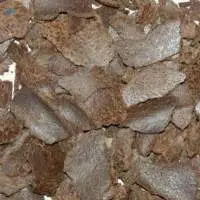
Is the by-product obtained after the extraction of oil from peanut seeds (also called peanuts) . It is a protein-rich ingredient that is widely used to feed all classes of livestock. Peanut meal is the sixth most common oil meal ingredient produced in the world

Protein: 46 % Min
Moisture: 5%Max
Ash: 7 % Max
Oil : 6.5% Min
Feb-21-22

Sudanese Senna Pods

$0
MOQ: Not Specified
Sample Available
Supplier From Khartoum, Sudan
 Inquire Now  
Latin name : Cassia angustifolia
Constituents/Plant Part : Pods
Country of Origin : Sudan
Cultivation Technique : Natural / By Hand
Organoleptic Description
Appearance : Pods are broadly oblong and contain about six seeds.
Texture : Dry but pliable
Flavour : Slightly bitter
odour : Tea like aroma
Type : Typical
Processing
Drying Method : Warm Air under the Sun
Cut Size : Uncut
Further Treatment : None
Full batch traceability is available
Packaging
Pressed Bales ranging in weight from 100M/T to 125M/T (+/- 10pct) and loose packed in
40FT Container.
All bales are clearly identified to show contents, weight and batch/lot number.
Feb-21-22

Sudanese Gum Arabic Hashab

$0
MOQ: Not Specified
Sample Available
Supplier From Khartoum, Sudan
 Inquire Now  
Description: Gum Arabic is the dried gummy exudation of high molecular polysaccharides
obtained from the stems and branches of Acacia senegal L. Willdenow.
Organoleptic data: Tasteless, odourless
Appearance: Pale amber gum nodules
Moisture content : 15.0 %
Total ash : 4 %
Acid insoluble ash : 0.5 %
Acid insoluble matter : 0.5 %
pH 4.1 : 4.8
Starch or dextrin Absence
Tannin-bearing gums Absence
Arsenic < 3 mg/kg
Lead < 2 mg/kg
Cadmium < 1 mg/kg
Mercury < 1 mg/kg
Heavy metals < 20 mg/kg
Viscosity (25% w/w solution) 70 - 110 cps
(Brookfield LVT-Sp1-30RPM-20 C)
Specific optical rotation -25 to -35
(rotation10% w/w aqueous solution
Feb-21-22

Sudanese Gum Arabic Talha

$0
MOQ: Not Specified
Sample Available
Supplier From Khartoum, Sudan
 Inquire Now  
Description: Gum Arabic is the dried gummy exudation of high molecular polysaccharides
obtained from the stems and branches of Acacia senegal L. Willdenow.
Organoleptic data: Tasteless, odourless
Appearance: Pale amber gum nodules
Moisture content : 15.0 %
Total ash 4 %
Acid insoluble ash : 0.5 %
Acid insoluble matter : 0.5 %
pH 4.1 - 4.8
Starch or dextrin Absent
Tannin-bearing gums Absent
Arsenic < 3 mg/kg
Lead < 2 mg/kg
Cadmium < 1 mg/kg
Mercury < 1 mg/kg
Heavy metals < 20 mg/kg
Viscosity (25% w/w solution) 70 - 90 cps
(Brookfield LVT-Sp1-30RPM-20 C)
Specific optical rotation +51 to +58
(rotation10% w/w aqueous solution)
Feb-21-22

Watermelon Seeds

$0
MOQ: Not Specified
Sample Available
Supplier From Khartoum, Sudan
 Inquire Now  
General specifications of the Sudanese watermelon seeds:
Purity 99%
Color white, between white and yellow, black
Moisture Max 5.9 - 9%
Size 8mm - 12mm
Splits 3 - 5 %
Protein 37.4%
Oil content 50 - 51 %
Admixture 1%
Good for human use and free from any chemicals or insects.
Watermelon seeds types:
Sadir Grade :
Size: between 8mm - 12mm
Color: brownish with 4% maximum other color seeds.
Farash Grade:
Size: between 8mm - 12mm
Color: creamy with 4% max. other color seeds
Kashair Grade:
Size: between 10mm - 14mm
Color: white
Jumbo Grade.
Size: between 10mm - 14mm
Color: white
Packing and Export
Packing is done usually in 40 - 45 KG PP bags, and exported in 20 feet containers which will carry 18 metric tons.
Jan-20-23
Supplier From Khartoum, Sudan
 Inquire Now
Feb-21-22

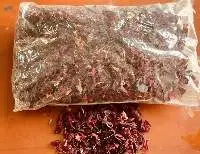
Sudanese Hibiscus

$0
MOQ: Not Specified
Sample Available
 Inquire Now  
TYPICAL SPECIFICATIONS & DESCRIPTION
Guidelines Description
Description Sudanese Hibiscus Flowers
(sabdariffa)
Packaging Item is typically packed in 50 lb. poly
(or less) lined multi-walled sacks
(adequately protecting product for
shipment)
Raw ingredient sample:
(a)Visual Purple-red colour.
(b)Aroma Floral, berry-like aroma. Free from
objectionable off-odours.
(c)Texture Lump free, free flowing particles
Prepared sample:
(a)Visual Clear, deep red solution with some
background purple hues. Blue hues
are undesirable.
(b)Aroma Slight berry aroma.
(c)Flabor A well balanced, tart and astringent
flavor. Some cranberry notes as well
as a slight drying effect. Not
excessively tart, acidic or bitter.
Should be free of off-flavours and
other undesirable spice/botanical
notes.
Testing Parameters:
Test Units: Specifications
(a) Free Flow Density G/CC Minimum 0.45, Maximum 0.60
(b) Moisture 12%
(c) Total Ash 10%
(d) Acid Insoluble Ash 1.5%
(e) Sieve Analysis 5 Min Rotate Thru US#20 95.0% Thru US#60 5.0%
(f) Insect Fragments each 400
(g) Whole Insects (field/storage) each 25/5
(h) Salmonella negative
(i) Coliform 2 of 5 over 10 CFU, 0 of 5 over 100
CFU
(j) E. coli (MPN) 2 of 5 over 3 CFU, 0 of 5 over 20 CFU
(k) E. coli (Film) 0 of 5 over 10 CFU
(l) S. Aureus 1 of 5 over 100 CFU, 0 of 5 over 1000
CFU
(m) Standard Plate Count 0 of 5 over 1,000,000 CFU
(n) Yeast/Mould 0 of 5 over 10,000 CFU
Aug-03-22
Supplier From Sudan
 Inquire Now
Aug-30-22

Hibiscus

$1.20K
MOQ: Not Specified
 Inquire Now  
National Hibiscus, Original
Aug-30-22
 Inquire Now  
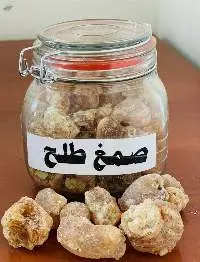
The best ORGANIC Farankincense gum
Apr-07-21
Supplier From Khartoum, Sudan
 Inquire Now
Apr-08-22

Sesame Seeds

$1.90K
MOQ: Not Specified
Supplier From Khartoum, Omdurman, Sudan
 Inquire Now  
We offer varieties of sesame seeds products,
White Gadarif, Whitetop, White commercial, Red sesame
Apr-08-22

Peanuts

$1.35K
MOQ: Not Specified
 Inquire Now  
We sell peanuts
Jan-31-22
Supplier From Khartoum, Omdurman, Sudan
 Inquire Now
Jul-18-22
Supplier From Khartoum, Sudan
 Inquire Now
Jul-16-25

Sesame Seeds, (Purity 99%

$2.27K - $2.27K / Metric Ton (EXW)
MOQ: Not Specified
 Inquire Now  
High-quality natural white sesame seeds from Sudan
Feb-11-22

Coriander

MOQ: Not Specified
Supplier From Kartoum, Sudan
 Inquire Now  
Coriander (Coriandrum sativum L.), is an annual herb that belongs to the umbel family (Apiaceae), and Known locally in Sudan as Kazbra. It displays broad adaptation as a crop around the world, growing well under many different types of soil and weather conditions, even at extreme latitudes and elevations.
Coriander has long been cultivated in the Mediterranean region, southern Europe, Asia Minor and the Caucasus. It is found wild in Egypt and the Sudan. In recent years; principal commercial coriander producers included Russia, India, Morocco, Pakistan, Iran, Egypt, Guatemala, Mexico, Argentina and Sudan.
Coriander seeds Contents:
Coriander seed oil is included among the 20 major essential oils in the world market and its commercial value depends on its physical properties, chemical composition, and aroma .The essential-oil content of the dried fruits varies from very low (0.03%) to a maximum report of 2.7% . Linalool is the main volatile compound in seeds, typically constituting more than 50% of the total essential oil. Fatty acids are also important components of coriander seeds; the main fatty acids detected in coriander, in decreasing order, are petroselenic, linoleic, palmitic, and stearic acids.Furthermore, cleavage of the unusual double bond in petroselenic acid leads to the production of lauric acid, to obtain surfactants and edible products, and adipic acid for nylon synthesis. Residues from distillation can be used for livestock feed, and the fatty acids also have potential uses as lubricants.
Specifications of Coriander seeds
Color: Yellowish Brown Color Volatile oil : 0.3 % Total Essential Extract : 11- 25 %
SO2 Residues : A maximum value of 10 ppm is allowed
Ash. Max 7 %
Moisture Max. 10 %
100% free from pesticide residue
Jan-15-22
 Inquire Now  
The peanut or groundnut is a species in the bean family, Fabaceae. It is widely cultivated in Sudan and is one of its major exports. Its local name is (Foul Sudani).
Definition
It is an annual plant growing from 1.00 to 1.6 ft tall with opposite leaves and yellow peaflower-shaped flowers. Peanuts grow in light and require five months of warm weather with little rain.
Description
It is also known as Arachis Hypogaea, hypogaea means "under the earth" since the flower stalk elongates then bends until the ovary touches the ground then the ovary is pushed underground where the fruit develops into the peanut.
Feb-11-22

Watermelon Seeds

MOQ: Not Specified
Supplier From Kartoum, Sudan
 Inquire Now  
Watermelon seeds are extracted from the fruit and go through procedures of getting sprouted, shelled and dried. Sudan has a variety of different sizes and colors of watermelon seeds. According to studies, watermelon seeds contain protein, vitamin B, magnesium, monounsaturated fats and polyunsaturated fats, which have been shown to reduce cholesterol levels, inflammation, risk for heart disease, and stroke.

SMELL & TASTE Normal
COLOR White / Between white / Yellow / Black
IMPURITIES 2% Max
SIZE 6mm 14mm
RED & BLACK SEEDS 4% Max
MOISTURE 6% Max
PROTEIN 37.4%
SPLITS 3 - 5%
Jun-23-21
 Inquire Now  
We Sell Halal Fresh Chilled Premium Quality Sudanese Meat C.F.R GCC and Worldwide - Directly from the Slaughterhouse: (1) Product Type: Halal Lamb, Mutton, Beef - Veal Meat. (2) Animal Type: Sheep, Goat, Cattle - Calf. (3) Style: Chilled. (4) Quality: Premium Top Quality (Grade A). (5) Part: - Whole Carcass for Lamb (Sheep) (6) Weight (Kg): As per Customer preferences and requirements.(7) Shelf Life: 14 Days. (8) Packaging: Polybag and then Cotton Stockinette bag with label showing exact weight. 9) Shipping Schedule: As per Customer requirements. (10) Feed Feature: Natural. (11) Place of Origin: Sudan. (12) Certificates: Halal, Health, Food Safety. (13) Storage Type: Chilled Storage. (14) Loading Port: Khartoum Airport, Sudan. (15) Shipping Methods: Refrigerated Container by Air, Land.
Feb-11-22

Senna Leaves

MOQ: Not Specified
Supplier From Kartoum, Sudan
 Inquire Now  
Botanical Name Cassia senna L.
Scientific Name (s) Cassia acutifolia Delile, syn. with Cassia senna L. Also includes references to C. angustifolia Vahl. Family: Fabaceae (beans).
History
Senna appears to have been used since the ninth or tenth century, its introduction into medicine being due to the Arabian physicians, who used both the leaves and the pods. It was formerly exported through Alexandria, from where the name of the Sudanese drug is derived.
Definition
The plant has a pale green stem with long spreading branches. The sweetish taste of the leaves distinguish Senna from the Argel leaves. It has small yellow flowers and oblong pods about 2 inches long and 7 to 8 inches broad.
Description
It is also called Nubian Senna or Alexandrian Senna or even Khartoum Senna. It grows in parts of Sudan and in some Arabian countries. The best senna is distinguished by a bright yellowish-green color of the leaves with a faint odor resembling the smell of green tea and a bittersweet taste
Cultivation
Senna is usually found in wild, but they have been extensively cultivated recently. It grows in September after the autumn rains and in April.
Constituents
Senna contains a family of hydroxyanthrancene glycosides, the most plentiful of which are sennosides A and B. There are also anthraquinone derivatives and their glucosides which are responsible for its purgative effects. There are also small amounts of aloe-emodin and rhein 8-glucosides, mucilage, flavonoids, and naphthalene precursors.
Uses
It is known for increasing the movement of the colon by increasing the functions of the intestinal wall. It is also a remedy for hemorrhoids, alimentary canal and prolapus. Similarly, both leaves and pods of the plant are used to cure breathing problems. An infusion of the pods is used as an effective way to suppress fever and to stop chronic nosebleeds. An infusion of the leaves is consumed to stop spasms or convulsions. The roots of the plant are consumed with milk to treat malaria.
Medicinal Uses

Uses supported by clinical data: Short-term use in occasional constipation.
Uses described in pharmacopoeias and in traditional systems of medicine: None.
Uses described in folk medicine, not supported by experimental or clinical data: As an expectorant, a wound dressing, an antidysentric, and a carminative agent; and for the treatment of gonorrhea, skin diseases, dyspepsia, fever and hemorrhoids
Aug-24-21

Soyabean

$700
MOQ: Not Specified
Supplier From Khartoum, Khartoum, Sudan
 Inquire Now  
Soybean
Soybeans is one of Sudan's crops, whereby its cultivated area has grown from 3000 acres in 2013 to about 25000 acres in 2020, in both the country's rain-fed and irrigated farming zones.

Nutrition Value of Soybean
Soybeans are composed of protein and also contain good amounts of fat and carbs. 100 grams of boiled soybeans contain:
Calories 173
Fiber 6 grams Carbohydrates 9.9 grams
Protein 16.6 grams
Soybean benefits
Soybean can help relieve the symptoms of sleep disorder.

2. Soybean may help manage diabetes

Eating soybean is an effective way to manage and prevent diabetes.
3. Help improve blood circulation


4. Essential for pregnancy


5. Soybean for healthy bones


6. Aids healthy digestion


7. Relieve menopausal symptoms


8. Improves heart health
.


9. possesses anti-cancer properties
.

10. Aids healthy weight management
Aug-24-21

Senna Pods

$1.20K
MOQ: Not Specified
Supplier From Khartoum, Khartoum, Sudan
 Inquire Now  
Senna pods

Botanical Name Cassia senna L.
Scientific Name (s) Cassia acutifolia Delile, syn. with Cassia senna L. Also includes references to C. angustifolia Vahl. Family: Fabaceae (beans).
History
Senna appears to have been used since the ninth or tenth century, its introduction into medicine being due to the Arabian physicians, who used both the leaves and the pods. It was formerly exported through Alexandria, from where the name of the Sudanese drug is derived.
Definition
The plant has a pale green stem with long spreading branches. The sweetish taste of the leaves distinguish Senna from the Argel leaves. It has small yellow flowers and oblong pods about 2 inches long and 7 to 8 inches broad.
Description
It is also called Nubian Senna or Alexandrian Senna or even Khartoum Senna. It grows in parts of Sudan and in some Arabian countries. The best senna is distinguished by a bright yellowish-green color of the leaves with a faint odor resembling the smell of green tea and a bittersweet taste
Cultivation
Senna is usually found in wild, but they have been extensively cultivated recently. It grows in September after the autumn rains and in April.
Constituents
Senna contains a family of hydroxyanthrancene glycosides, the most plentiful of which are sennosides A and B. There are also anthraquinone derivatives and their glucosides which are responsible for its purgative effects. There are also small amounts of aloe-emodin and rhein 8-glucosides, mucilage, flavonoids, and naphthalene precursors.
Uses
It is known for increasing the movement of the colon by increasing the functions of the intestinal wall. It is also a remedy for hemorrhoids, alimentary canal and prolapus. Similarly, both leaves and pods of the plant are used to cure breathing problems. An infusion of the pods is used as an effective way to suppress fever and to stop chronic nosebleeds. An infusion of the leaves is consumed to stop spasms or convulsions. The roots of the plant are consumed with milk to treat malaria.
Medicinal Uses
1. Uses supported by clinical data: Short-term use in occasional constipation.
2. Uses described in pharmacopoeias and in traditional systems of medicine: None.
3. Uses described in folk medicine, not supported by experimental or clinical data: As an expectorant, a wound dressing, an antidysentric, and a carminative agent; and for the treatment of gonorrhea, skin diseases, dyspepsia, fever and hemorrhoids
Aug-24-21

Pigeon Peas

$860
MOQ: Not Specified
Supplier From Khartoum, Khartoum, Sudan
Supplier Of Pigeon Peas   |   Oats   |   Seeds   |   Oils   |   Onion
 Inquire Now  
1-SUDAN PIGEON PEAS
Sudan Pigeon peas is cultivated in New Halfa area, Gadaref, Al Gazera and small areas of Kordofan and South Sudan, WHICH GIVES THE BEST AND SUITABLE ENVIROMENT OF TRPICAL CLIMATE, black cotton soil, well drained with a PH ranging from 7.0 - 8.5. AND 15-18�°C temperature
It is sometimes known as the Congo pea or Gunga pea. Pea is a perennial legume from the family Fabaceae. Its cultivation can be tracked back more than 3,500 years. Also known as Adaseya or Lubiya in Sudan. The crop can maintain growth with poor soils and little water
2-GENERAL SPECIFICATIONS OF SUDANESE PIGEON PEAS
ITEM DESCRIPTION
MOISTURE 8% MAXIMUM
PROTIEN 16% MINIMUM
BROKEN GRAINS 1% MAXIMUM
FORIEN MATTER 3% MAXIMUM
3-BENEFITS AND USAGE
According to nutrition expert pigeon peas are excellent source of magnesium, phosphorus, calcium and potassium. The legume is rich in protein content and provides an adequate amount of iron, carbohydrates and fats that provides the human body with the energy needed to perform the functions of daily life. It also contains dietary fiber, potassium, vitamin B and C.

Therefore, it is described as an afforded source for preventing anemia (iron), particularly for pregnant women, and the resulting neural tube defects in unborn tissues, muscles and bones and helps in curing joints and backbone pains. It helps in maintaining healthy heart and digestion (due to its fiber contents).
Pigeon pea is as well known for its medicinal uses. Leaves are used as treatment of coughs, bronchitis, diarrhea, hemorrhages, sores, and wounds. Diabetes and sore throats can likewise be treated using other plant parts of pigeon pea As food.
The Sudanese mainly use the boiled dry seeds. They add either sugar and fat or salt, with onion and sesame oil.

Its consumption is related to the Muslim Holy Month of Ramadan, happy occasions and karama (alms organized as thanks giving to Allah).

However, of recently, specialists are recommending expansion of pigeon pea use, particularly for school pupils and students boarding houses, as a cheap and equally rich nutritional source.

Though it was first domesticated in India and grown there for thousands of years, still New Delhi has of recently started importing Sudanese pigeon pea due to its extra characteristics.
Dried, pigeon peas are a main ingredient in Indian dals, Caribbean and African rice dishes, soups and stews. They are sometimes paired with green mango and fresh coconut. As beans, they need to be soaked and cooked for an hour or two.
.
.
34 Activated Carbon From Charcoal Suppliers
Short on time? Let Activated Carbon From Charcoal sellers contact you.
  • First page
  • Next
Explore Activated Carbon From Charcoal related import export discussions