Product Description
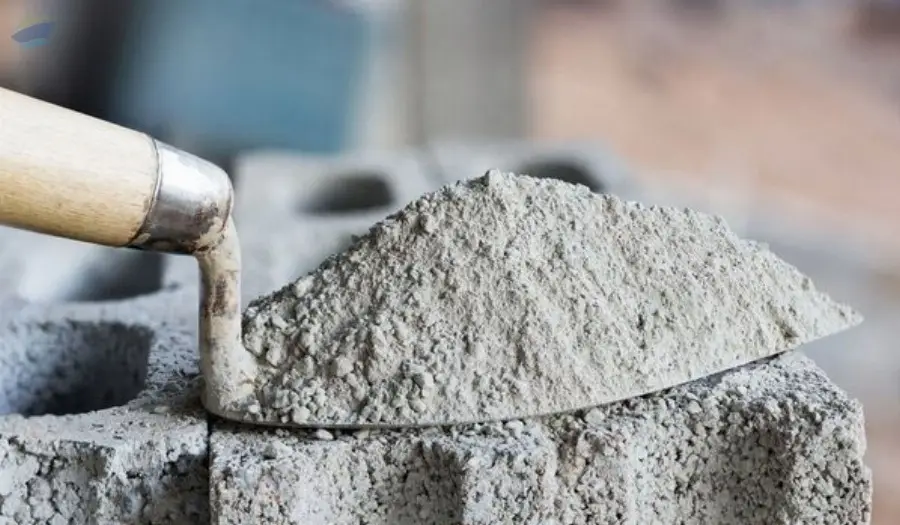
A cement is a binder, a substance used for construction that sets, hardens, and adheres to other materials to bind them together. Cement is seldom used on its own, but rather to bind sand and gravel (aggregate) together. Cement mixed with fine aggregate produces mortar for masonry, or with sand and gravel, produces concrete. Cement is the most widely used material in existence and is only behind water as the planet's most-consumed resource.
Cements used in construction are usually inorganic, often lime or calcium silicate based, and can be characterized as either hydraulic or non-hydraulic, depending on the ability of the cement to set in the presence of water (see hydraulic and non-hydraulic lime plaster).
Non-hydraulic cement does not set in wet conditions or under water. Rather, it sets as it dries and reacts with carbon dioxide in the air. It is resistant to attack by chemicals after setting.
Hydraulic cements (e.g., Portland cement) set and become adhesive due to a chemical reaction between the dry ingredients and water. The chemical reaction results in mineral hydrates that are not very water-soluble and so are quite durable in water and safe from chemical attack.
This allows setting in wet conditions or under water and further protects the hardened material from chemical attack. The chemical process for hydraulic cement found by ancient Romans used volcanic ash (pozzolana) with added lime (calcium oxide).
Portland cement is by far the most common type of cement in general use around the world. This cement is made by heating limestone (calcium carbonate) with other materials (such as clay) to 1450 �°C in a kiln, in a process known as calcination that liberates a molecule of carbon dioxide from the calcium carbonate to form calcium oxide, or quicklimeâ??which then chemically combines with the other materials in the mix to form calcium silicates and other cementitious compounds. The resulting hard substance, called 'clinker', is then ground with a small amount of gypsum into a powder to make ordinary Portland cement, the most commonly used type of cement (often referred to as OPC).
Portland cement is a basic ingredient of concrete, mortar, and most non-specialty grout. The most common use for Portland cement is to make concrete. Concrete is a composite material made of aggregate (gravel and sand), cement, and water. As a construction material, concrete can be cast in almost any shape, and once it hardens, can be a structural (load bearing) element. Portland cement may be grey or white.